
Resilient Cities 08: Designing Resilient Waste Systems
Associated Media
A PDF on "Building Resilient Cities Week 8: Building Resilient Waste Systems," created by Patrick Poon, Fernando Cesar dos Santos Jr., Paula Kim, and Jaqueline Botelho
A narrative on "Resilient Cities 08: Designing Resilient Waste Systems" written by Vincent Tong- Building Resilient Cities 08 Designing Resilient Waste Systems Title Slide


One of the byproducts of an ever increasing population is the municipal waste that we leave behind. This waste exacerbates an already deteriorating climate situation by further damaging air quality and emitting toxic gasses. Given that the typical four-member American family wastes 122 pounds of food each month on average, it is no surprise that the United States produces 70% of the world’s solid waste. However, although we live wasteful lifestyles, the US has a unique platform to make-up by being a leading innovator in reducing waste and building resilient waste systems. 


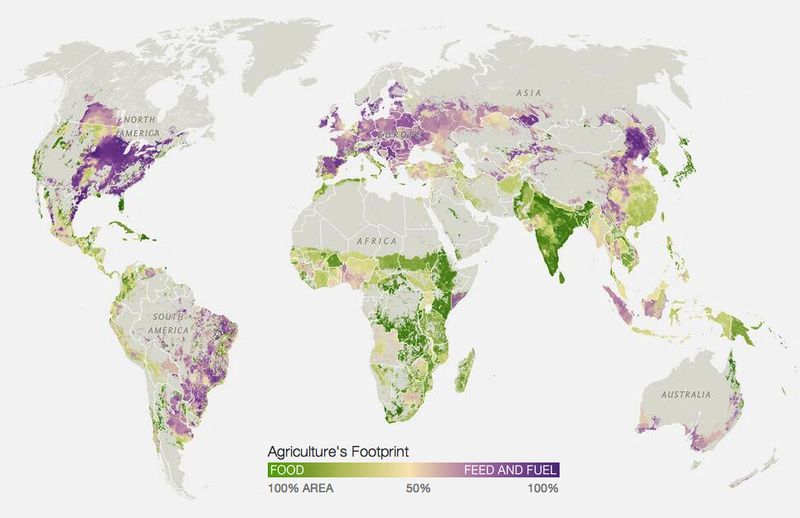
Today, food security especially in urban cities is a critical issue. Developing countries are improving their quality of life and, consequently, by 2050 the world will require 70% more food than we produce today to supply not only a growing population but a growing middle class that will be consuming more meat and dairy according to The Earth Institute (Columbia University). Agriculture consumes approximately 70% of our water supply, 34% of land area and contributes between 17%-30% of all greenhouse gas emissions. As a result, not only is agriculture contributing to climate change but it is also suffering from the affects of it.